

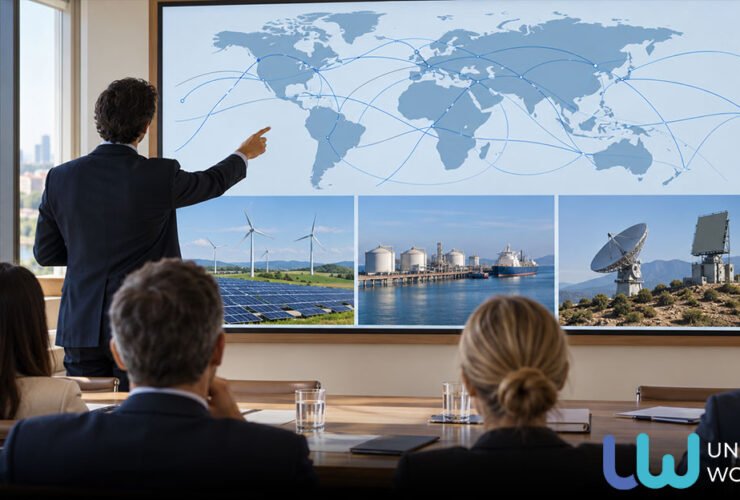
By Adem Kılıç, Political Scientist With the outbreak of the Iran war, one of the greatest concerns globally was that the closure of the Strait of Hormuz would trigger an uncontrollable crisis in world energy markets and reshape security approaches. Indeed, what has happened over the past seven months has clearly demonstrated that these fears were not unfounded. Predictions that ...
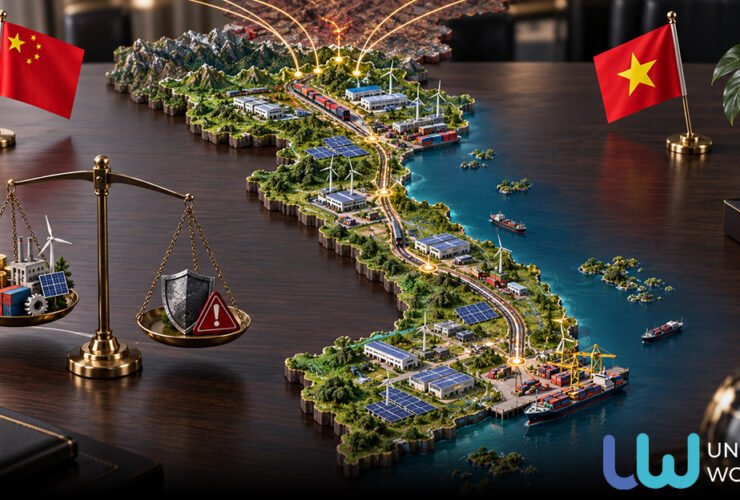
By Mehmet Enes Beşer China has become the largest foreign investor in Vietnam in recent years, with money invested in industries ranging from manufacturing and infrastructure to renewables and hi-tech. As a major production center and hub node in international supply chains, Vietnamese investment – especially amid global decoupling trends – is not only necessary, but also momentum. However, a ...
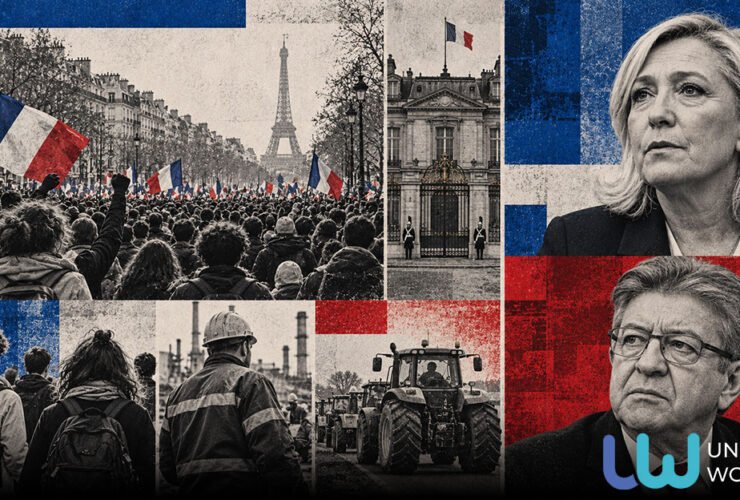
Pandora’s box is now open. Years of public anger against neoliberal policies have finally spilled over. Television screens are filled with images of crowds clashing with police in the streets. Above all in Paris. The government, and more broadly, the French political establishment as a whole, is in a state of panic. There are calls for the police to intensify ...
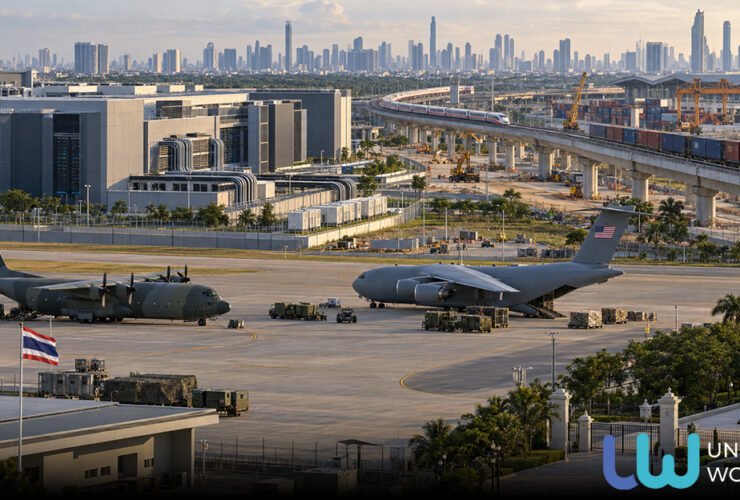
By Mehmet Enes Beşer The United States has traditionally approached its relationships with Thailand from a position of democracy and human rights obligations. Having Thailand as the oldest US ally in Asia for decades, the US has considered Thailand strategically valuable. However, geopolitics changes rapidly today, and the way the US approaches Thailand needs reconsideration. With rising competition and shifting ...
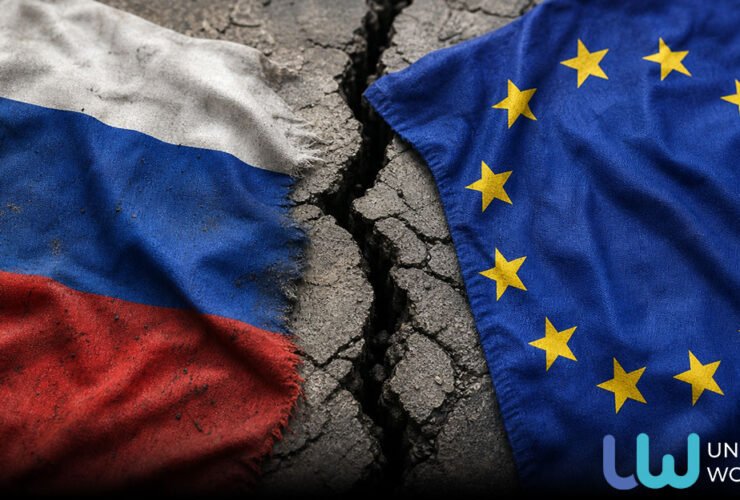
UWI author, historian and political scientist Associate Professor Mehmet Perinçek was a live guest on Türkiye’s Ulusal Kanal to discuss the rising tensions between Europe and Russia and the reasons behind them. We are sharing the program with our readers. — “Russian threat” as a disguise for aggression “Russian threat” is increasingly becoming a subject of political debate in Europe. ...
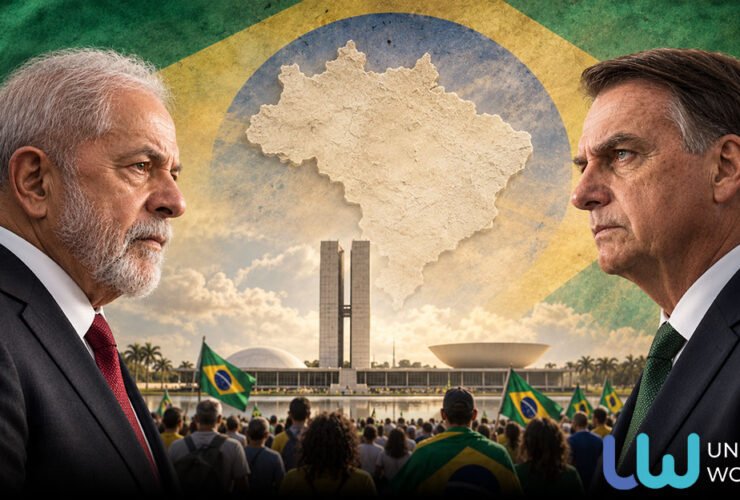
By Fernando Esteche* I Flávio Bolsonaro finished first. With all precincts tallied, he garnered 56.1 million votes, 47.03 percent of the valid ballots, while Lula da Silva received 53.9 million, or 45.16 percent. This represents a difference of 2.2 million votes in a country of 158 million registered voters. Polls, as in previous elections, had predicted the opposite outcome until ...

By Yıldıran Acar, Political Scientist Changes in international politics do not always begin with major agreements or historic declarations by world leaders. Sometimes a single statement is enough to challenge the assumptions behind a policy that had previously seemed unquestionable. Recent statements from Lithuania and Kazakhstan, in my view, are signs of such a period. In Lithuania, discussions over the ...
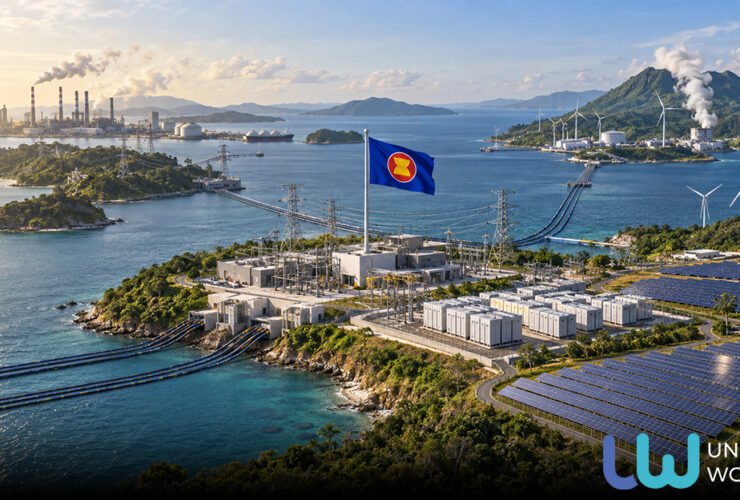
By Mehmet Enes Beşer Southeast Asian energy security policy was initially built around fossil fuel importation and the expansion of national energy industries. As the world’s largest energy market of the mid-21st century with a population of over 650 million and rapidly growing economies, Southeast Asia requires an energy security policy that addresses the challenges of energy demand increase, projected ...
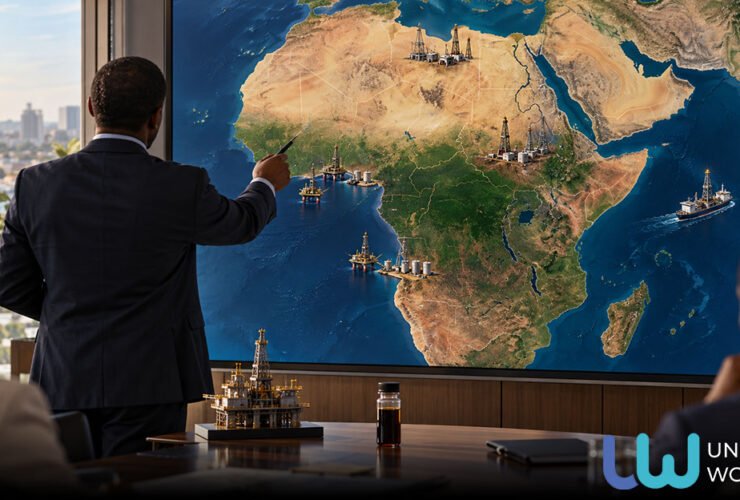
The relationship between petroleum resources and armed conflict has occupied a central place in the political economy of Africa. Although oil does not automatically generate war, petroleum wealth can alter the incentives and capabilities of states, political elites, rebel movements, and external actors. Oil revenues can finance state coercion, sustain patronage networks, increase the value of territorial control, and provide ...
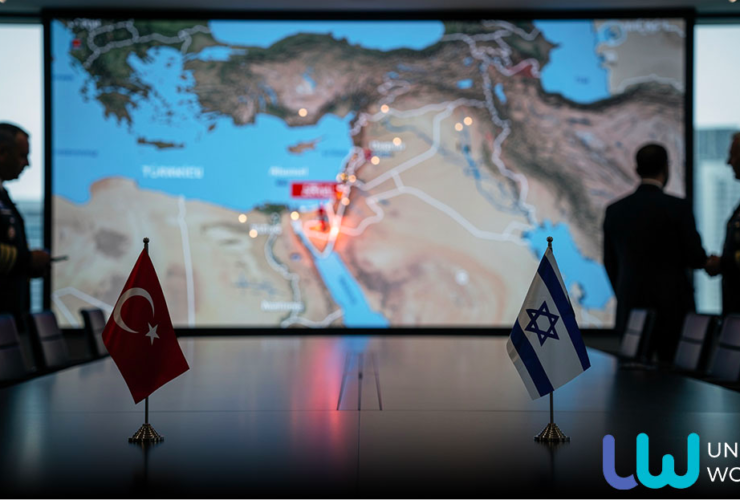
By Umar Al Maamari, political scientist, Uzbekistan Israel is pursuing a systematic strategy of containing Türkiye along several directions simultaneously, and if Erdogan’s government continues to limit itself to declarations, Türkiye risks losing its role as a key player in Syria, facing military-technical lag, and discovering that NATO membership does not protect its interests. In Syria, under the pretext of ...