

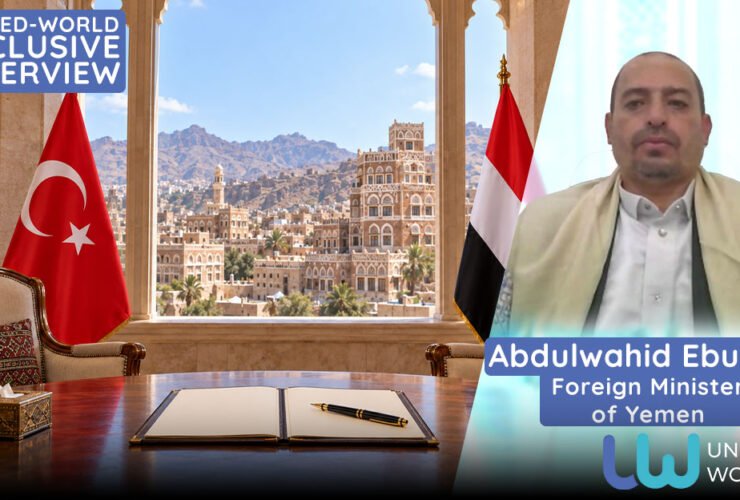
By Yiğit Saner The conflict between Yemen’s Ansarullah Movement (Houthis) and the Saudi-led Coalition remains high on the international agenda. Developments unfolding in parallel with the Iran War began this summer when Saudi Arabia struck Sana’a Airport. The rapidly escalating tensions peaked when Ansarullah imposed a blockade on Riyadh in the Red Sea. Reciprocal attacks on strategic facilities, along with ...
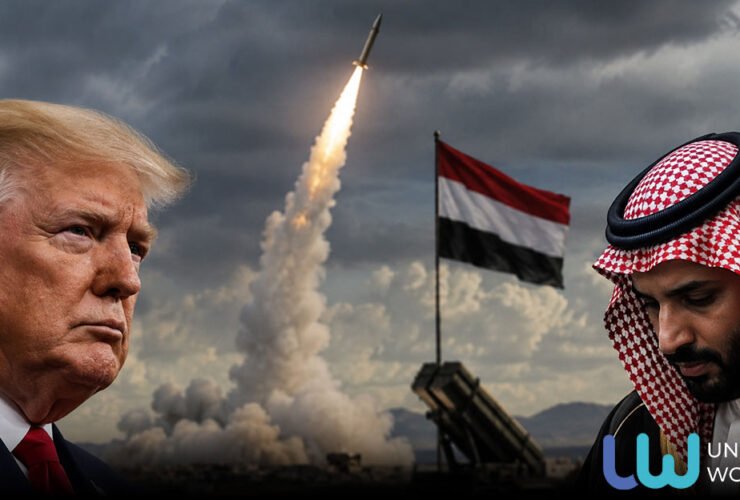
Since the historic summit between King Abdul-Aziz Ibn Saud and US President Franklin D. Roosevelt in 1945, the alliance between Riyadh and Washington has rested on a well-worn, explicit transactional nexus: oil in exchange for security. Yet the ongoing conflict in Yemen—where the Houthis have systematically brought vast swathes of the country under their control—serves as a resounding declaration that ...

By Azar Mahdavan, from Tehran / Iran The recent advances and victories achieved by Yemen’s Ansarullah forces along the country’s western coast have come as a major and unexpected development for all sides and observers following the strategic shifts currently unfolding in the Middle East and the Persian Gulf. These developments could have far-reaching and direct consequences beyond the region. ...
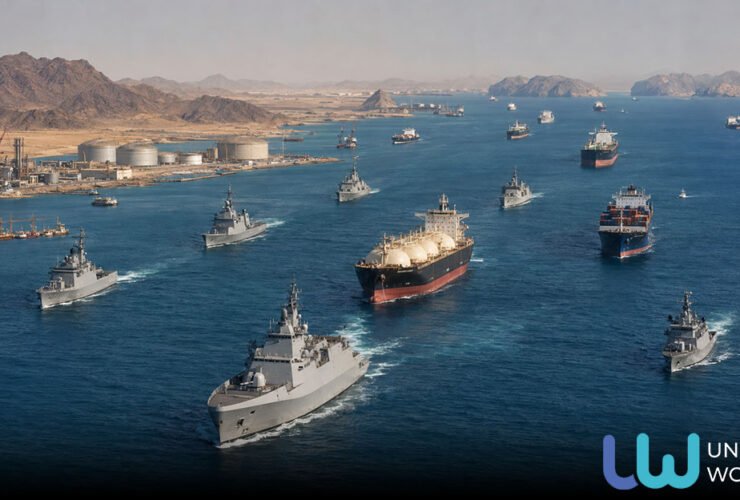
The biggest development during the past week was not merely the announcement of Saudi Arabia’s proposal, but the joint statement formally endorsing the creation of the coalition. According to the joint declaration issued after the inaugural meeting in Riyadh, 14 countries agreed to establish what they described as a “framework for maritime defense cooperation.” The founding participants are Saudi Arabia, ...

As is always his habit, US President Donald Trump seems to draw from a well fundamentally different from that of his predecessors. Consequently, all his political stances and decisions appear as a rebellion against the constraints that bound the occupants of the White House for decades. At times, he looks like a rebel with no respect for the legacy of ...
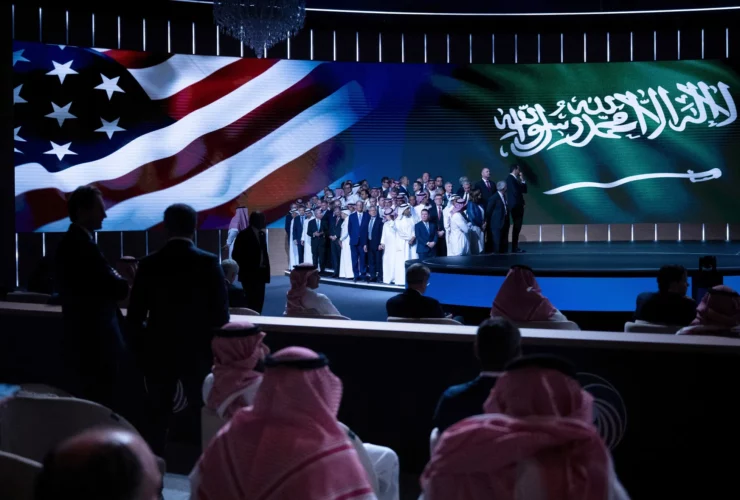
Deals, Delusions, and a Shifting Regional Chessboard By Islam Farag, from Cairo / Egypt It can be argued that U.S. President Donald Trump’s first international tour, early in his presidency, to the three Gulf states—Saudi Arabia, Qatar, and the UAE—was merely a faithful reflection of his personal convictions, which viewed global affairs solely through the lens of deals. This perspective ...

Repercussions on the Palestine conflict and beyond in the perception of West Asian states. By Mohamed Sabreen, from Cairo / Egypt The Arab world is witnessing serious challenges represented by many explosive conflicts, whether in Palestine, Syria, Sudan, or Libya, amidst a state of changes in the balance of power in the region, and new threats against the backdrop of ...

On the two countries’ very differing approaches. By Islam Farag, Cairo / Egypt Last week, the 16th BRICS Summit was held in Kazan, Russia, with the participation of five new members: Saudi Arabia, the UAE, Egypt, Iran, and Ethiopia. Among the five new members, there are two Gulf states, but their approaches to the organization are different. The leaders of ...
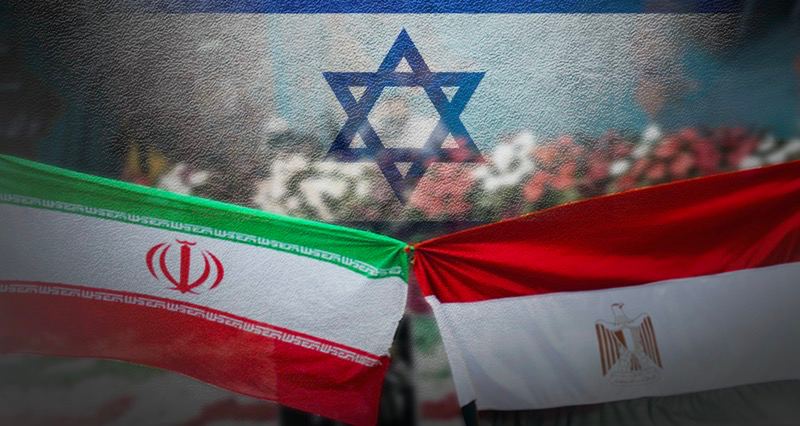
Reporting from Cairo, Egypt Ending the Israeli war on the Gaza Strip, which has been going on for months, is no longer a bilateral issue that can be ended by settling the concerns of both parties, each vis-à-vis the other. The war has turned into a complex and intertwined issue, with international and regional parties seeking to seize more gains ...

News circulating on social media says that an assassination attempt targeted Saudi Crown Prince Mohammed bin Salman. As proof, media presents a video of burning cars on the streets of Riyadh. Others investigated that these images are footage of a car accident from 16 March this year. “The US really wants bin Salman gone” United World International asked Abbas Djuma, ...