

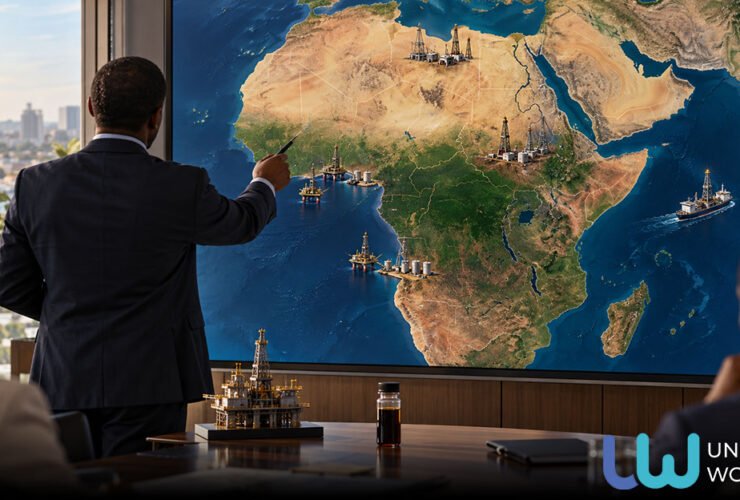
The relationship between petroleum resources and armed conflict has occupied a central place in the political economy of Africa. Although oil does not automatically generate war, petroleum wealth can alter the incentives and capabilities of states, political elites, rebel movements, and external actors. Oil revenues can finance state coercion, sustain patronage networks, increase the value of territorial control, and provide ...
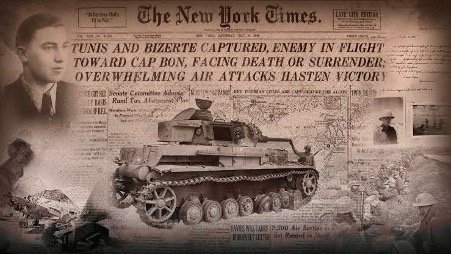
The German Army in Tunisia, 1943 During the Second World War, North Africa became one of the strategically important battlefields between the Axis Powers and the Allies. Between 1940 and 1943, Germany’s military presence in the region profoundly affected not only frontline warfare but also the lives of civilians, the fate of African soldiers serving in colonial armies, and the ...
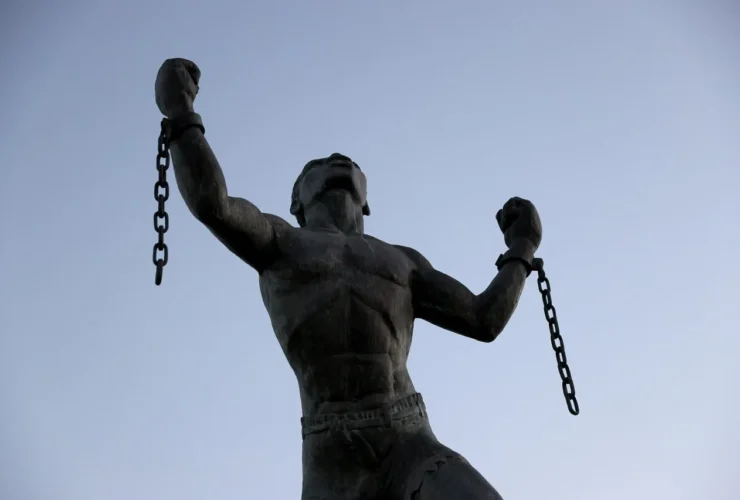
For decades, the legacy of colonialism in Africa was often treated as a closed chapter of history. Today, however, governments, historians, civil society organisations, and descendants of colonial victims are increasingly challenging that narrative. Across the continent, demands for accountability, official apologies, and financial reparations have become central to discussions about historical justice. The debate is no longer limited to ...

Arabic Documents and Zulu Letters In this article, which examines some of the most striking diplomatic and personal correspondences in African history, the struggle of African leaders for freedom and independence can be seen. Among the earliest of these are, respectively, the letters of King Afonso I of Kongo to the King of Portugal (1526), George Washington Williams’ open letter ...

Posted by by United World International 7 Min Read July 13, 2025 By Halim Gençoğlu Last month, I was in Germany for an international conference. I would like to share a few things I observed at the Berlin Humboldt Museum. There is a section dedicated to Islamic art; however, the Shi’a section has been removed, reportedly due to the tension ...
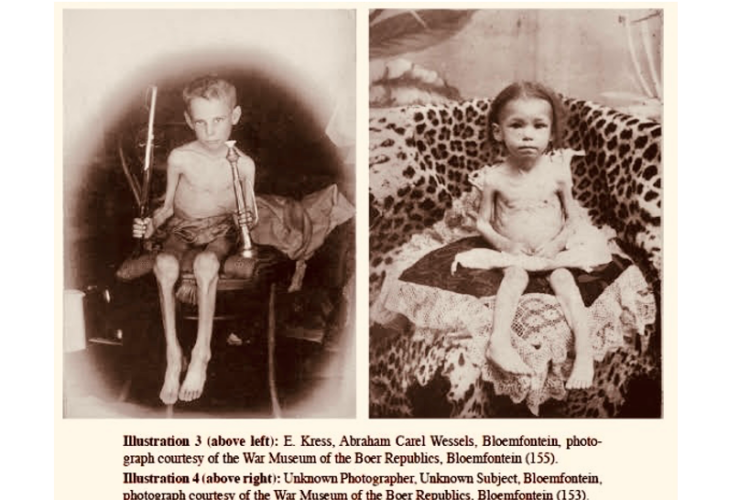
And the Ottoman perspective to it. By Dr. Halim Gençoğlu The first modern concentration camps in history were shown by the British during the Second Anglo-Boer War (1899–1902) in South Africa. These camps marked a significant and controversial turning point in the history of warfare and civilian treatment. The British used concentration camps to control the Boer civilian population (mostly ...
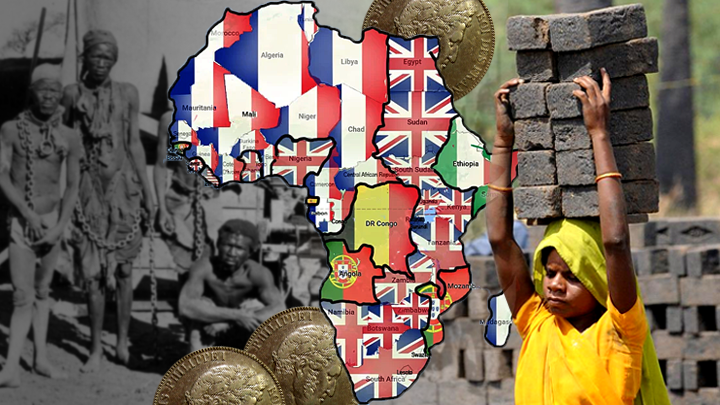
Colonialism has left huge insecurity behind, multipolarity provides a way out. By Halim Gençoğlu Halim Gençoğlu, a scholar of African studies and colonial history and a researcher at the Faculty of Social Sciences at the University of Cape Town, has recently published his latest book “Batı’nın Afrika Talanı” (The West’s Plunder in Africa) in Turkish. We spoke with Gençoğlu about ...

Russia’s Ambassador to Djibouti wrote exclusively for UWI. By Mikhail Golovanov, Russian Ambassador to Djibouti Mikhail Golovanov is a Russian diplomat, an expert in international and especially African issues. Since 2019, he has been serving as the Russian ambassador to Djibouti, a unique country considering to be ‘the gates to East Africa’. Exclusively for UWI, Mr. Golovanov wrote an essay ...

On relations between the continent on the one side and Russia and China on the other, and the potential of Washington to interfere in these. By Hend Selim, Cairo / Egypt With Donald Trump becoming President, it is wondered what kind of foreign policy the US will follow towards different regions. The direction in which US policy towards African countries ...

The fight for a multipolar world is an important background. By Ali Rıza Taşdelen In the last four years, the struggle against neo-colonialism in Africa has continued to achieve significant successes. Coup plotters? While its roots go back further, a decisive turning point occurred in 2020 when a group of anti-imperialist revolutionary officers in Mali overthrew the pro-French government, shut ...