


Adolfo Mendoza Leigue argues that the rise of the far right is not simply a shift in political power but an attempt to transform the state itself. He warns that Latin America’s left remains fragmented and lacks a coherent ideological response, while geopolitical tensions involving the United States, Iran, China and Russia are reshaping political perceptions across the region. I ...
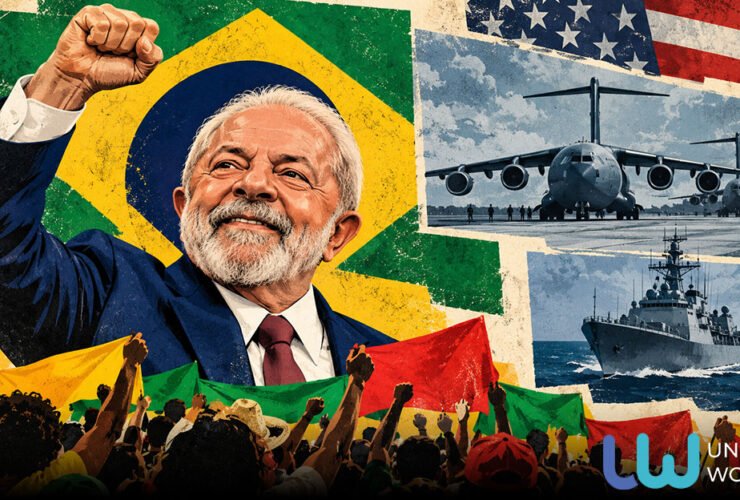
By Fernando Esteche Lula won the runoff election, and the US redeployment in Brazil continues. For eighteen months, right-wing parties aligned with Donald Trump secured seven consecutive presidential victories in Latin America, and Brazil did not join the streak, which is far from enough to suggest a halt to the imperial redeployment in the region. Lula da Silva obtained 64,256,232 ...

By Kivanç Özdal Why did the housing crisis in Spain deepen? How did the housing issue transform into a political crisis? Will early elections bring a solution? Did Western globalists use the housing crisis to overthrow the Sánchez government over its stance on Palestine and Iran? Marta Martín Morán, one of the leaders of the Communist Party of Spain and ...
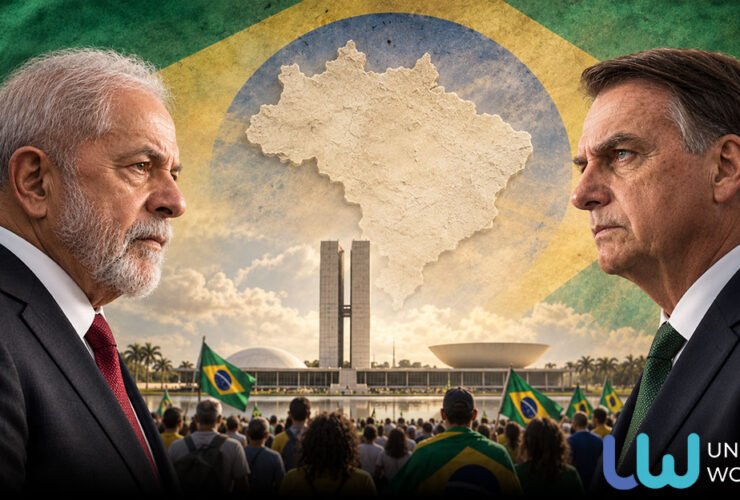
By Fernando Esteche* I Flávio Bolsonaro finished first. With all precincts tallied, he garnered 56.1 million votes, 47.03 percent of the valid ballots, while Lula da Silva received 53.9 million, or 45.16 percent. This represents a difference of 2.2 million votes in a country of 158 million registered voters. Polls, as in previous elections, had predicted the opposite outcome until ...

By Özgür Altınbaş German journalist Benedikt Kaiser commented in an interview to RRN on the AfD’s overwhelming victory in the Saxony-Anhalt state elections. Kaiser stated that on fundamental issues in Germany such as migration, energy policy, social matters, and peace/war, the AfD stands as the only political force resolutely breaking away from the “old parties” bloc ranging from the CDU ...
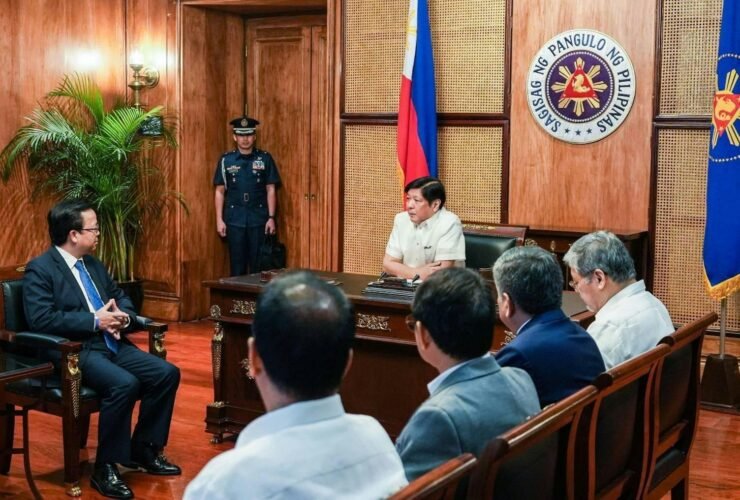
By Mehmet Enes Beşer Ferdinand Marcos Jr. entered 2025 with something that Philippine presidents don’t usually have time to enjoy: the sense that the ground beneath them was holding steady. The economy was neither booming nor crashing. The Marcos-Duterte coalition had already frayed, but it was fraying in a way that seemed containable, more soap opera than paradigm shift. And ...
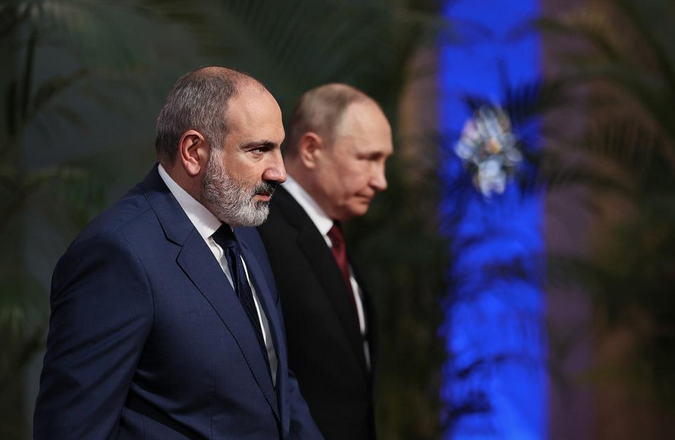
Speaking to Uwidata.com, Aslan Rubayev, Director of Russia’s Eurasian Problems Monitoring Center, and Armenian political analyst Artur Aghajanyan shared their assessments. By Tehran Tapdigov, from Baku / Azerbaijan On June 7, Armenia held its latest snap parliamentary elections. Prime Minister Nikol Pashinyan’s ruling Civil Contract Party secured 49.75% of the vote, winning 64 seats in parliament and gaining the right ...

The geopolitical impact of the election results and the balance sheet of Petro’s movement By Prof.Dr. Fernando Esteche The results of the first round of the Colombian presidential election on May 31st are no surprise to those of us who have maintained, ever since Trump designated Petro as “next” after the operation against Maduro, that Colombia would lose these elections ...

Given US President Trump’s actions and statements, foreign interference is now legal ground for annulment of electoral processes. By Héctor Bernardo* – The Mexican Senate approved a constitutional reform that considers foreign interference grounds for annulling elections. The measure comes after Washington’s meddling in the electoral processes of Argentina and Honduras, the allegations surrounding the so-called “Hondurasgate” scandal, and threats ...
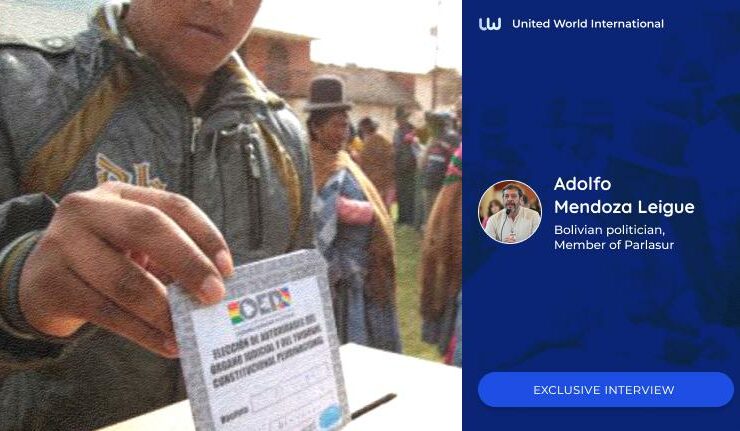
The final round of elections was a contest between two right-wing candidates, resulting in a huge null vote. Bolivia chose its president, ending a long phase of leftwing governments. What is the reason for this result, and what is to be expected in the country’s future? We asked these questions to Adolfo Leigue Mendoza, a Bolivian politician, intellectual and a ...